
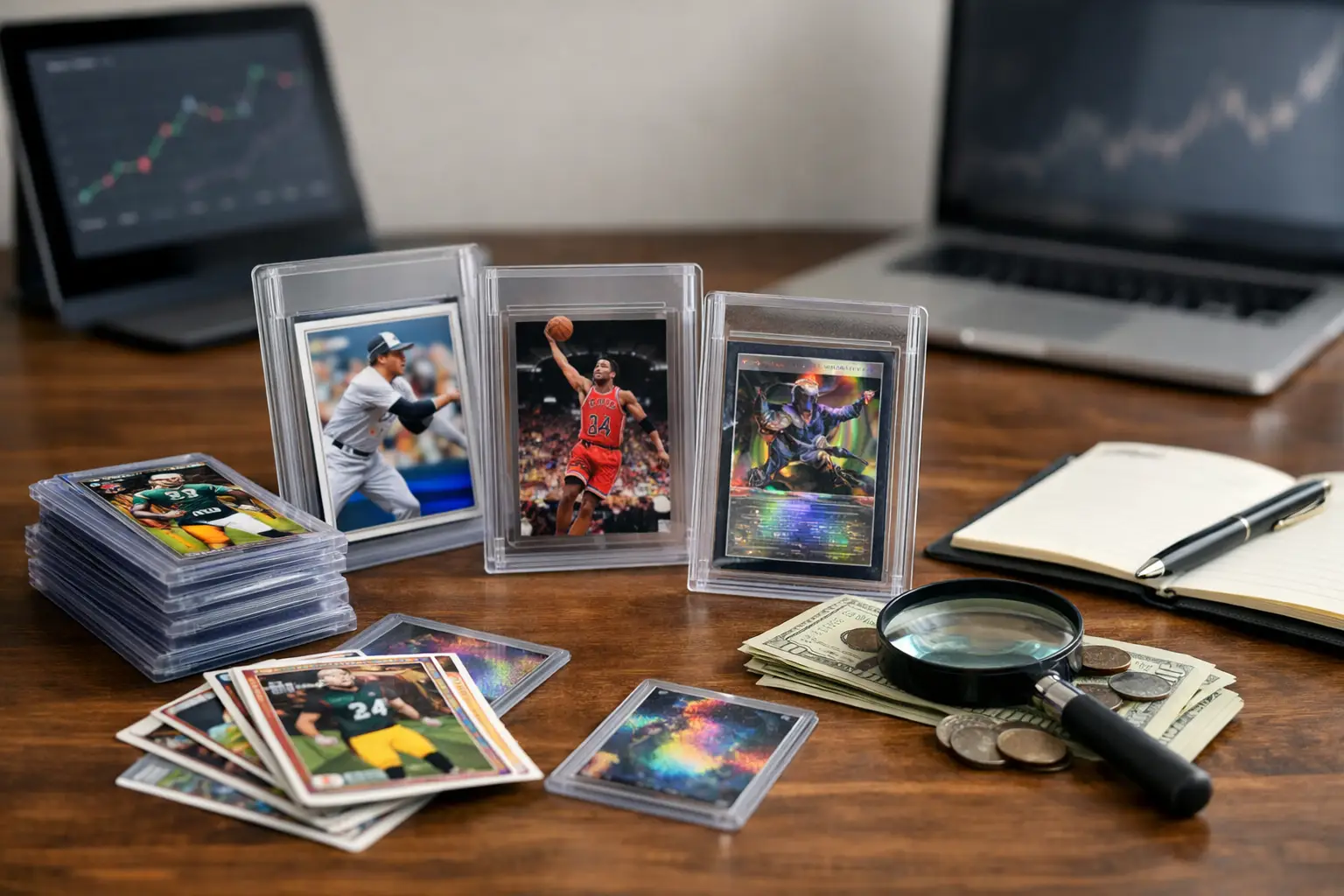
A $5 card can become a favorite binder piece for decades. A $500 card can lose value fast if it is overhyped, damaged, or bought at the wrong price. That is the reality of card investing: it works best when collecting knowledge comes before profit expectations.
For Pokémon collectors, the strongest approach is rarely chasing every spike on social media. It is learning what makes a card desirable, how condition changes its value, and when sealed product makes more sense than singles. Whether you are buying your first booster box, helping a child start a collection, or building a higher-end vintage binder, a clear plan protects your budget and makes the hobby more fun.
What Card Investing Actually Means
Card investing is buying trading cards or sealed products with the hope that they will hold value or appreciate over time. That can include individual chase cards, vintage holos, graded cards, booster boxes, elite trainer boxes, special collections, and promotional cards.
The word “investing” can make the hobby sound more predictable than it is. Trading cards are collectibles, not guaranteed-return assets. Prices move with nostalgia, competitive play, print runs, grading population, influencer attention, new releases, and broader economic conditions. A card that feels impossible to find one month can reappear in large quantities after a restock or collection sale.
A better mindset is to buy items you would still be happy to own if the market stays flat. The best case is that your collection gains value. The baseline should be that you enjoy the cards, artwork, and community around them.
Start With a Goal Before You Spend
“Buy good cards” is not a plan. Before opening packs or shopping singles, decide what kind of collector you are trying to be.
A sealed collector may focus on booster boxes and specialty products from sets they believe will remain memorable. A singles collector may target favorite Pokémon, iconic artworks, low-population graded cards, or cards needed for a competitive deck. A parent may want a safe, fun way for a young collector to learn without turning every purchase into a price-charting exercise.
Your goal determines what “value” means. For a player, value might be getting a playable deck built efficiently. For a binder collector, it could mean completing a set in clean near-mint condition. For a long-term holder, it may mean choosing sealed products with strong franchise appeal and avoiding the temptation to rip everything immediately.
Set a monthly hobby budget, too. This matters more than predicting the next breakout card. A budget lets you buy patiently instead of panic-buying after a card has already climbed.
The Four Things That Drive Card Value
No single factor makes a card a winner. Value usually comes from several forces working together: demand, scarcity, condition, and cultural staying power.
Demand Is More Than Hype
Popular Pokémon, memorable artwork, fan-favorite trainers, and cards used in competitive play often have built-in demand. Charizard is the obvious example, but plenty of other Pokémon hold attention because collectors connect with them across generations.
Demand can also be temporary. A card may rise because it is winning tournaments, appearing in a viral video, or becoming difficult to pull during release week. Ask whether people will still want it after the next set arrives. Long-term demand tends to be tied to the character, the artwork, the set’s reputation, or genuine rarity rather than a short burst of attention.
Scarcity Needs Context
A card can be rare to pull but still widely available if a set was printed heavily. On the other hand, an older card may have had a larger original supply but far fewer surviving copies in strong condition.
Sealed products have their own scarcity story. A modern booster box may be easy to find for months, then become harder to replace once printing ends. That does not automatically make every box a smart hold. Collectors usually gravitate toward sets with standout chase cards, strong artwork, beloved Pokémon, or a memorable place in the game’s history.
Do not confuse high price with true scarcity. Sometimes a price is simply the result of low current listings, not low total supply.
Condition Can Change Everything
Condition is one of the biggest dividing lines in collectible cards. Centering, corners, edges, surface scratches, print lines, whitening, and dents all matter. Two copies of the same card can look similar in a binder yet sell for very different amounts.
For raw cards, use sleeves and rigid protection right away. Handle cards by the edges, keep them away from food and moisture, and avoid storing valuable cards loose in backpacks or desk drawers. If a card has meaningful value, inspect it under good light before assuming it is mint.
Grading can add value, but it is not magic. A grading fee, shipping, turnaround time, and the possibility of a lower-than-expected grade all affect the outcome. Grading makes the most sense when the card is desirable, appears exceptionally clean, and has enough value difference between raw and graded copies to justify the cost.
Timing Matters, But Nobody Nails It Every Time
Release-week prices are often volatile. The biggest chase cards can command high prices before the market has seen enough supply. As more product gets opened, many singles fall. That is why collectors who want a specific card often do better waiting than ripping pack after pack trying to pull it.
The opposite can be true for sealed product. Buying at a reasonable retail price and holding unopened product may be less exciting than hunting a chase card, but it removes pull-rate luck from the equation. It also requires patience, storage space, and discipline. A booster box kept for years is only useful if it stays clean, sealed, and protected from heat, humidity, and crushing.
Singles or Sealed: Which Fits Your Plan?
Singles and sealed product serve different kinds of card investing. Neither is automatically better.
Singles give you precision. If you want one illustration rare, an original-era holo, or a specific deck card, buying the single is usually more cost-effective than opening product. You can inspect the exact copy, compare condition, and avoid spending far beyond a card’s market value in pursuit of a lucky pull.
Sealed product gives you broader exposure to a set. Its appeal is tied to unopened packs, the chance of hits, and the experience collectors may want years later. The trade-off is that sealed products take up room and may take longer to appreciate. Modern products also vary widely in print availability, so not every item deserves to be tucked away.
A balanced collector might buy singles for personal chase cards while setting aside one sealed item from a set they genuinely love. That approach keeps the collection active without treating every purchase like a bet.
Avoid the Most Expensive Beginner Mistakes
The fastest way to waste hobby money is buying under pressure. Watch for sudden price jumps, vague claims that a product is “guaranteed” to rise, and listings that use stock photos for expensive singles. If a deal feels far below market value, slow down and verify what you are buying.
Authenticity matters just as much. Counterfeit cards and resealed products can be convincing in photos, especially for newer collectors. Look for trusted hobby sources, ask questions about condition, and learn the print, texture, color, and packaging details associated with the product you want. A local specialty shop such as Waterfront Card Shop can be especially useful when you want to inspect cards and sealed items in person.
Also avoid treating pack opening as an investment strategy. Opening packs is fun, and it is part of the hobby for a reason. But the expected value of opening product is often lower than buying the singles you want. Open because you enjoy the experience, not because you need every pack to pay for itself.
Keep Records Like a Collector, Not a Day Trader
A simple record makes better decisions easier. Track what you bought, when you bought it, what you paid, its condition, and why you wanted it. For sealed items, note the set, product type, and storage location. For higher-value singles, save clear photos before storing or grading them.
Checking values occasionally is useful. Checking them every hour is exhausting. Collectible markets can be noisy, and daily movement rarely changes a long-term plan. Revisit your collection when you are considering a sale, upgrading a card, or deciding where the next part of your budget should go.
If you do sell, factor in fees, shipping, insurance, taxes, and the time needed to package items safely. A headline sale price is not always the amount that ends up in your pocket.
The most durable collection is built one informed choice at a time. Buy cards you understand, protect what you own, and leave enough room in the budget for the next set that truly earns a place in your binder or sealed shelf.