
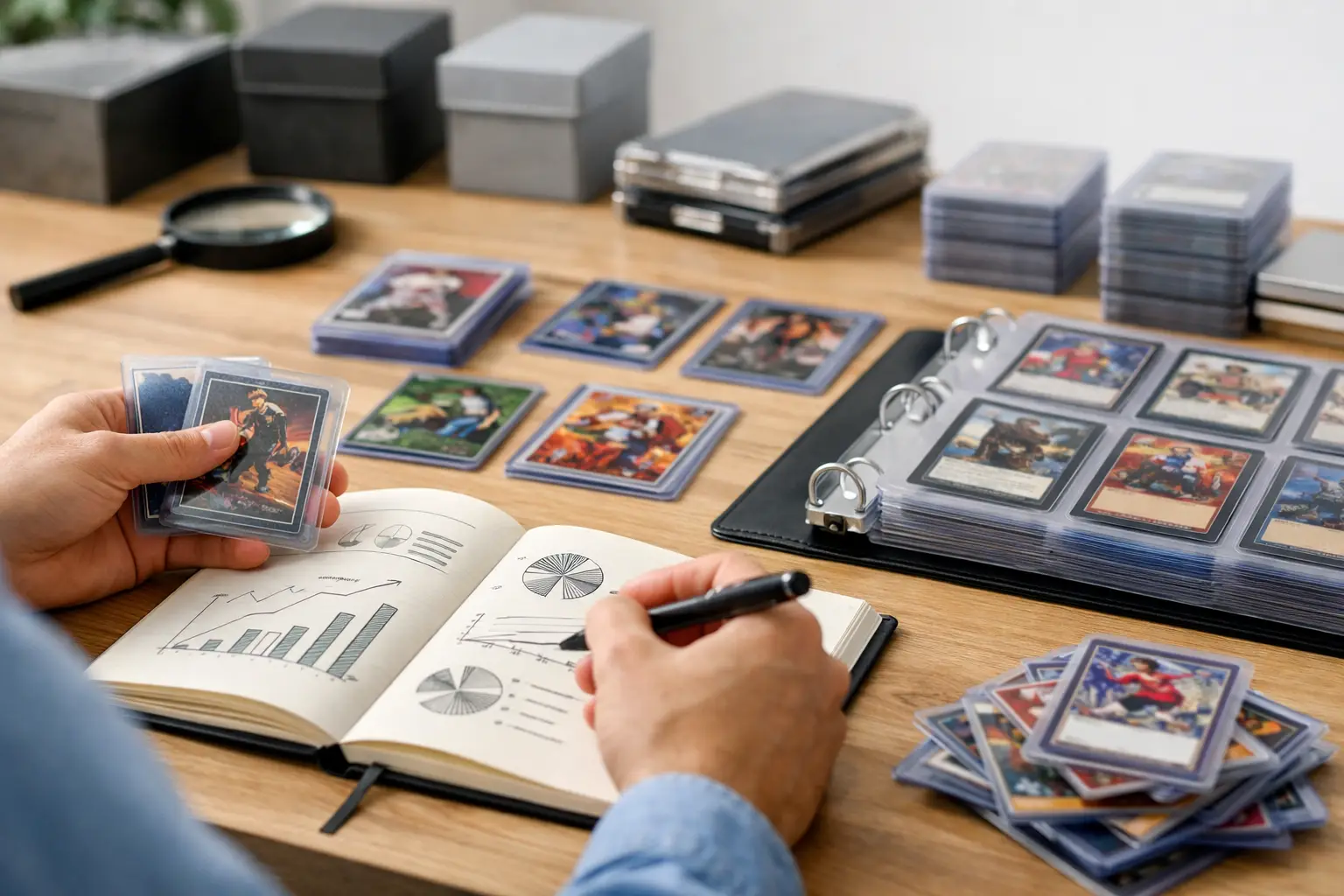
That first pull can change the whole direction of a binder. One great Pokémon card might send you looking for every card from its evolution line, every version of a favorite trainer, or the sealed product it came from. That is the fun of trading card collecting: there is always another path to follow, but the best collections usually start with a clear reason for collecting.
Whether you are buying a first pack for a child, building a playable deck, hunting a chase card, or getting back into the hobby after years away, a little structure keeps the excitement from turning into random purchases. You do not need the biggest budget or the rarest card in the room. You need a collection that feels like yours.
Pick a Direction for Your Trading Card Collecting
A focused collection is easier to enjoy, organize, and grow. For Pokémon collectors, that focus could be a favorite Pokémon, a specific set, a complete evolution line, illustrated rare cards, vintage holos, promo cards, or cards needed for a deck. Some collectors want one clean binder page for every generation. Others are happy keeping a small display of cards they genuinely love.
There is no wrong lane, but trying to collect everything can get expensive fast. Set a goal that matches your interest and budget. A child may get more enjoyment from filling a binder with favorite characters than from owning one high-value card. A longtime collector may prefer condition-sensitive vintage singles or sealed booster boxes. A player may put most of their budget toward cards that improve a deck.
It also helps to separate your collection into three buckets: personal favorites, playable cards, and cards you may eventually trade or sell. Those categories can overlap, but knowing which cards are truly off-limits makes future trade decisions much easier.
Know What You Are Buying
Trading cards come in a lot of forms, and each one serves a different purpose. Packs bring the surprise of opening, while singles give you control. Elite Trainer Boxes, collection boxes, tins, booster bundles, and booster boxes can all be fun sealed products, but the right choice depends on what you want from the purchase.
If you want the experience of a new release, opening packs is part of the hobby. The artwork, pack ritual, and possibility of a big pull are real parts of the appeal. But if you are chasing one specific card, buying the single is often the more predictable move. Opening product should be treated as entertainment first, not a guaranteed way to acquire a card at the lowest price.
Sealed product has a place in many collections, especially for collectors who enjoy set artwork, special releases, and the history of unopened products. Still, sealed collecting requires patience. Store it carefully, avoid crushing or moisture, and do not assume every sealed item will rise in value. Demand, print runs, reprints, and the strength of a set all matter.
For parents, entry-level products and a quality binder are often a better starting point than a high-dollar mystery purchase. Let a younger collector learn what they like before making a major purchase around a card they may outgrow.
Condition Is Part of the Card
Two copies of the same card can have very different values because condition matters. Centering, corners, edges, surface scratches, dents, creases, and print lines can all affect how a card looks and what collectors are willing to pay. A card can be rare and still be worth less than expected if it is heavily played or damaged.
Get comfortable looking at cards under good light before you buy, trade, or submit anything for grading. Ask whether a card is near mint, lightly played, moderately played, heavily played, or damaged, then look at the card yourself. Those labels are useful shorthand, but collectors can differ on where the line falls.
Authenticity matters just as much. High-demand cards are frequently copied, and counterfeit cards can look convincing in photos. Watch for unusual texture, incorrect colors, poor print quality, mismatched fonts, or a card stock feel that seems off. Buying from a dedicated card shop or a trusted collector is a smart way to reduce risk, especially when you are new to higher-value singles.
Grading can make sense for cards with strong condition, major personal value, or established collector demand. It is not automatically the right move for every holo or full-art pull. Grading costs money, takes time, and adds another layer of judgment. Sometimes a clean raw card in a well-protected binder is exactly what a collection needs.
Protect Cards Before They Need Protection
The best time to protect a card is immediately after you pull or buy it. A penny sleeve handles basic protection, while a top loader, semi-rigid holder, or one-touch case adds structure for cards you want to keep especially safe. Binder cards should be sleeved before they go into side-loading binder pages.
Avoid loose cards in backpacks, pockets, cars, or damp basements. Heat, humidity, sunlight, and pressure can all cause problems over time. Store binders upright when possible, keep sealed product in a dry area, and avoid stacking heavy items on top of boxes or cards.
Organization is not just about appearances. A labeled binder, storage box, or card catalog helps you avoid buying duplicates by accident and makes it easier to see what you still need. It also makes trades smoother because you can quickly separate available cards from cards that are staying in your personal collection.
Trade With Confidence, Not Pressure
Trading is where the social side of the hobby comes alive. A fair trade does not always mean both cards have the exact same market value. If both people understand the difference and leave happy, the trade may still be worthwhile. Maybe one collector is getting a needed card for a deck, while the other is getting a favorite character for a binder.
The problem starts when someone feels rushed, uninformed, or pressured to trade a card they do not fully understand. Check recent values, inspect condition, and take a minute before agreeing to anything involving valuable cards. Younger collectors should always have a parent or trusted adult help with bigger trades.
A local shop gives collectors a place to ask questions, see cards in person, and meet other people who understand the hobby. At Waterfront Card Shop, collectors and players can find a focused card-shop environment built around Pokémon, sealed product, singles, and the conversations that make collecting more fun.
Keep New Releases Fun
New set releases create real excitement, especially when a set includes popular Pokémon, standout artwork, or strong playable cards. It is easy to feel like you need every product on release weekend. Usually, you do not.
Set a release budget before you see the shelves. You might decide to open a few packs for fun, pick up one sealed item for the collection, then wait for singles prices to settle. That approach lets you enjoy the launch without turning every release into a spending race.
It also pays to remember that early hype does not always match long-term demand. Some chase cards stay desirable for years, while others cool off once more product enters the market. Buy cards because you want to own them, not because a price chart made them feel urgent.
A great collection is not measured by how quickly it grows. Keep the cards that make you stop and look twice, protect them well, and leave room in the binder for the next card that earns its spot.