
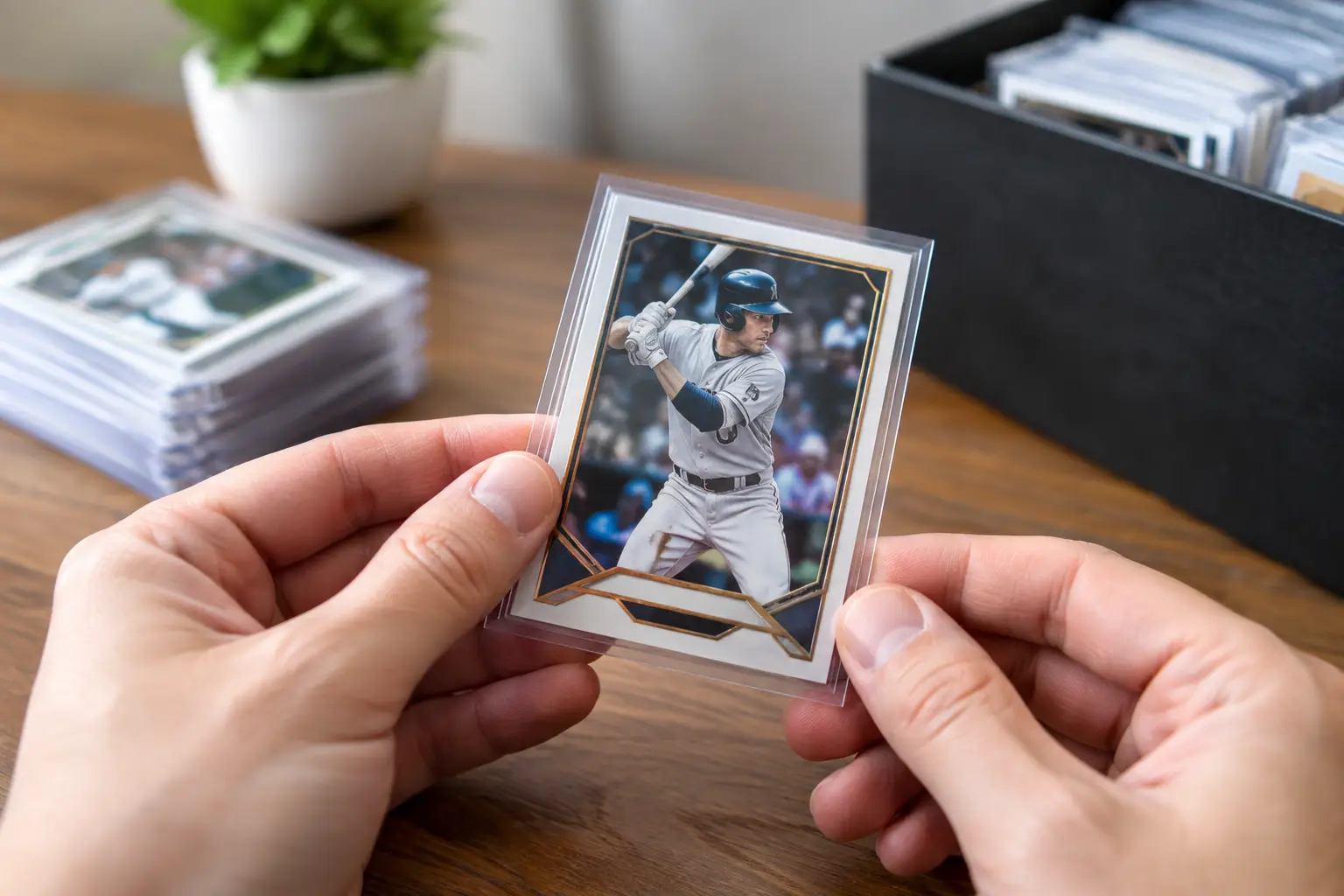
A new set can turn a normal Friday into a hobby event. Card releases bring fresh artwork, new deck options, rookie cards, chase hits, and the familiar question every collector faces: should I open packs now, preorder sealed product, or wait for singles?
There is no one right answer. The best approach depends on whether you collect favorite characters, build competitive decks, chase rookie cards, complete sets, or simply want a fun pack-opening experience with your family. Knowing how releases work makes it easier to spend with confidence instead of buying from fear of missing out.
How Card Releases Usually Work
Most trading card releases follow a predictable cycle, even when demand is anything but predictable. A manufacturer announces a set, reveals product details over time, opens preorders through retailers, and then launches the product on its official release date. Pokémon, One Piece, and sports cards all have their own schedules, but the basic rhythm is similar.
Early previews matter because they tell collectors what is actually in the set. For a Pokémon release, that may mean new Pokémon ex cards, special illustration rares, or cards connected to a current game or franchise theme. For One Piece, players may be looking at leader cards, alternate art treatments, and cards that strengthen an existing deck. In sports, collectors often watch for rookie classes, autograph checklists, relic cards, and the brands or parallels included in a product.
The release date is not always the same as the moment every card becomes easy to find. Some products arrive in waves, and some stores receive limited quantities based on allocations. A high-demand set can sell quickly during the first weekend, while another may remain readily available for months. That is why a release calendar is useful, but it is not a guarantee of availability.
Card Releases Are More Than a Drop Date
A set release has different value for different people. A player may care most about getting cards for a tournament deck. A binder collector may want one of every regular card, then decide whether higher-rarity versions fit the budget. Someone buying a gift may be happiest with an elite trainer box, booster bundle, or a few loose packs rather than a full booster box.
The product format changes the experience. Booster packs offer the excitement of a quick rip. Booster boxes provide more packs and are popular with collectors who want a longer opening session or a better shot at building a set. Collection boxes, tins, and premium products often include promos, accessories, or a display piece that makes them appealing even before the packs are opened.
For sports cards, hobby boxes and retail formats can have very different checklists and hit potential. That does not automatically make one better. It means buyers should know what they are purchasing and why. A collector chasing autographs may prefer hobby, while a parent grabbing packs for a young fan may find retail a better fit.
Preorder, Release Day, or Wait for Singles?
Preordering can make sense when you already know you want a sealed product and the price fits your plan. It is especially useful for popular releases where local demand is expected to be strong. Preorders also help specialty shops understand community interest, which can support better inventory planning for future releases.
Still, preordering every new set is not necessary. Card reveals can change your mind, and early excitement can make a product feel more essential than it really is. If your goal is one specific Pokémon, alternate art, or player card, buying the single after release is often more direct than opening product until you hit it. Opening packs is entertainment with a chance at great pulls, not a guaranteed route to any particular card.
Waiting can also help when the early market is moving quickly. Prices for chase cards often shift once more product is opened and more copies enter circulation. Sometimes a card stays expensive because demand remains high. Sometimes the first-week price is the highest price it sees for a while. It depends on rarity, playability, collector demand, print volume, and the broader excitement around the set.
A balanced plan works well for many hobbyists: pick up one sealed product because you enjoy the release experience, then buy singles for the cards you truly want. That approach protects the fun without turning every set into an all-or-nothing chase.
Set a Release Budget Before the Hype Starts
The easiest way to enjoy a release is to decide your number before the product hits the shelf. A clear budget can be modest or ambitious. What matters is that it fits your collecting goals and leaves room for future sets, supplies, and singles.
Try separating your release budget into three parts: sealed product for opening, singles you know you want, and supplies such as sleeves, top loaders, binders, or deck boxes. This is especially helpful for parents shopping with younger collectors. A few packs, a binder page, and a favorite single can create a better experience than spending everything on random packs at once.
If you play competitively, budget for the cards that make your deck function. A flashy alternate art might be a future pickup, but the regular version of a needed card could be the better choice for game night. Collecting and playing can overlap, but they do not always require the same purchase decisions.
What to Watch Before Buying a New Set
Before release day, look beyond the biggest chase card. Check the set theme, the card list as it becomes available, and the products carrying the cards you want. A strong set for one collector may be an easy pass for another.
For Pokémon collectors, consider whether the artwork, featured Pokémon, and rarities match your binder goals. One Piece players should look at how the set affects current leaders and whether upcoming cards support a deck they already enjoy. Sports collectors can focus on the rookie class, team representation, autograph signers, and the difference between hobby and retail checklists.
Condition matters from the moment a card is pulled. If you hit something special, handle it carefully. Use a penny sleeve and top loader or a suitable card saver, and avoid leaving cards loose in a backpack, pocket, or crowded stack. Grading can be worth considering for certain cards, but it is not required for every nice pull. A card can be meaningful in a binder even if it never goes near a grading submission.
Release Day at Your Local Card Shop
A local card shop gives a release day some energy that a checkout screen cannot match. You can see product formats in person, ask questions about a set, pick up supplies, and talk with other collectors who are opening the same release. For new players, it is also a good place to learn which products make sense for starting a deck rather than guessing from a wall of boxes.
At Waterfront Card Shop, the goal is not to tell everyone to buy the biggest item on the shelf. It is to help Pokémon collectors, One Piece players, and sports card fans find the right fit for their budget and their hobby. Sometimes that is a sealed box. Sometimes it is a few packs, a protected single, or the missing card that finally finishes a binder page.
Keep an eye on announced release dates, but give yourself permission to skip a set that does not connect with your collection. The next great card release is always coming, and the cards worth keeping are the ones you are still excited to look at long after release weekend.