
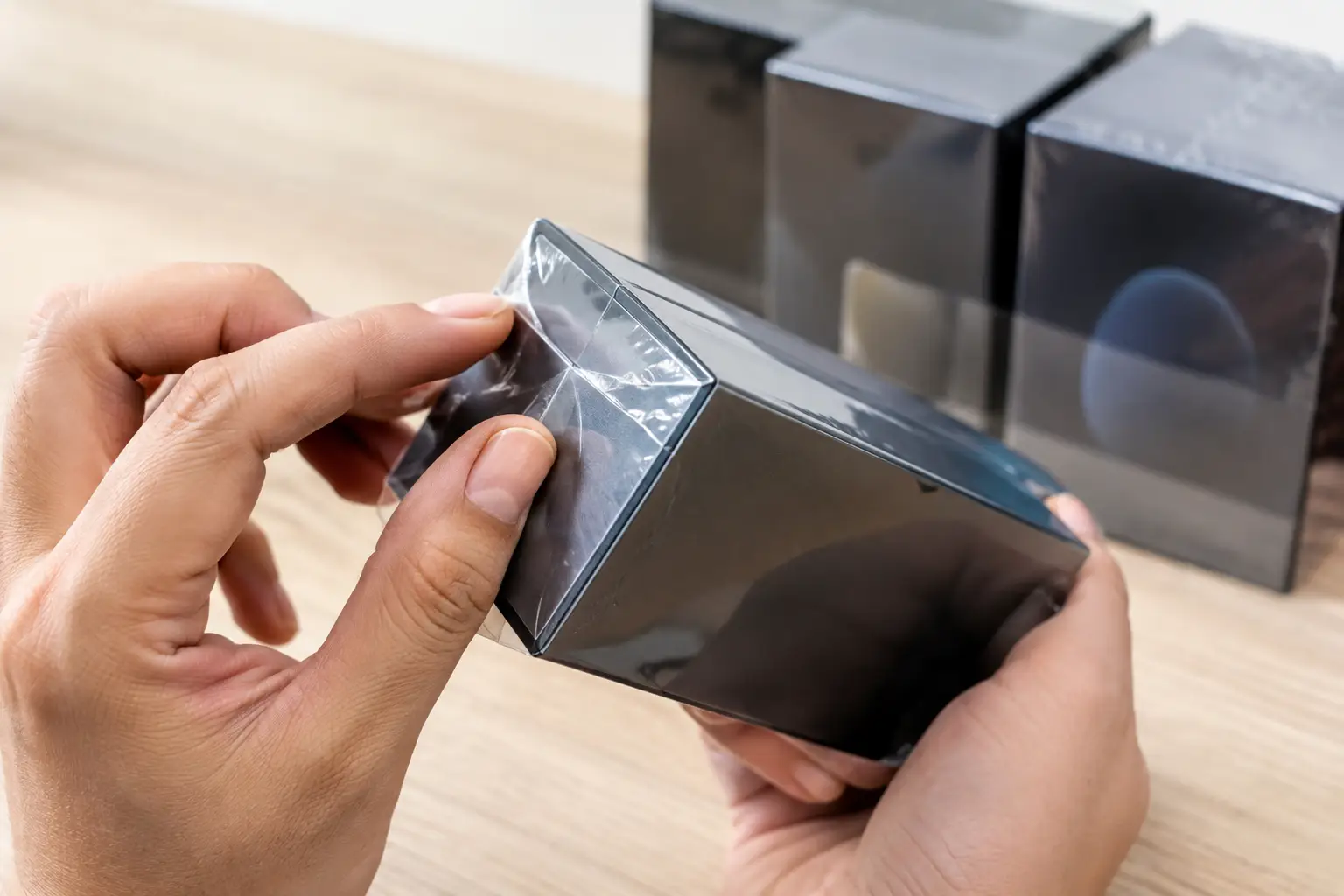
A booster pack should feel like a tiny factory-fresh time capsule. When you are buying Pokémon, One Piece, or sports cards, knowing how to spot resealed packs helps protect the fun of ripping packs, building a collection, and buying gifts with confidence. Resealed packs are not always easy to identify from one detail alone, but a few careful checks can reveal when something does not add up.
What Is a Resealed Pack?
A resealed pack is an original card pack that has been opened and closed again, usually after someone has checked or removed the cards inside. In the worst cases, chase cards may be taken out and replaced with bulk, lower-value cards, cards from another product, or even non-card material to restore the pack’s weight.
Not every pack that looks a little different is resealed. Packaging can vary by print run, country of origin, product format, and normal factory quality control. A wrapper might have a slightly uneven crimp or a small amount of extra air and still be completely legitimate. The goal is not to reject every imperfect pack. It is to look for multiple warning signs before you buy.
Loose packs deserve more attention than sealed boxes, tins, blisters, or collection products because they are easier to handle individually. That does not mean every loose pack is risky. It means the source and condition matter more.
Start With the Crimps and Seams
The top and bottom crimped edges are among the best places to inspect. Factory packs are closed by machines, so the pattern is usually consistent, tight, and clean. Compare the pack to another known-good pack from the same set if you can.
Look closely for crimping that seems flattened, stretched, melted, or unusually rough. A resealer may use heat, glue, or pressure to close a pack after opening it. That can leave a crimp that is too smooth, too wide, wavy, or inconsistent with the opposite end of the wrapper.
Pay attention to the side seams, too. Most packs have a narrow vertical seam where the wrapper material joins. On an untouched pack, that seam should sit flat and look uniform. Excess glue, a raised edge, fresh-looking adhesive, or a seam that appears to have been pulled apart and pressed back together should make you pause.
A clean crimp alone is not proof that a pack is safe, just as a slightly imperfect crimp is not automatic proof of tampering. Think of it as the first piece of the puzzle.
Check the Wrapper’s Feel, Shape, and Tension
A normal booster pack has a certain tension to it. The wrapper should fit around the cards naturally, with some air but not a balloon-like amount. It should not feel unusually loose, excessively tight, or oddly shaped around the card stack.
Gently feel the pack without bending the cards. If the pack has strange lumps, a stiff patch near an opening, or a noticeably different texture along a seam, it may have been handled or repaired. A pack that feels too thin can also be a concern, especially if it is sold next to identical packs that feel fuller.
Watch for wrinkles in places where the wrapper would not normally crease during shipping. Small wrinkles happen. Deep folds directly around the top seal, bottom seal, or side seam are more suspicious because those are the areas someone would need to manipulate to access the cards.
Do not squeeze packs hard or try to feel for individual card textures. Aside from risking damage, that approach can lead to false assumptions. A visual inspection and a light touch are enough.
Look for Signs of Heat or Adhesive
Many resealing attempts leave evidence around the opening. Heat can make plastic look shinier, cloudier, or slightly warped. It may also cause the printed wrapper design to look stretched near the seal. Glue can create a hard, glossy line, sticky residue, or a chemical smell that does not belong on a new pack.
Hold the pack at an angle under good light. You may notice a difference between the factory-sealed areas and a section that has been reheated. The plastic can appear flatter or more reflective where it was pressed.
Be careful with older products. Vintage wrappers naturally age, and storage conditions can change how plastic looks and feels. A 1990s Pokémon pack will not necessarily have the same crisp presentation as a current release. For older sealed product, provenance and seller reputation often matter even more than the wrapper’s appearance.
Compare the Pack to Others From the Same Product
Comparison is one of the easiest ways to catch a questionable pack. If you are at a card shop, event, or trade night, place the pack beside another pack from the same set and language. Check the wrapper color, layout, foil pattern, barcode area, crimp width, and overall size.
Modern Pokémon packs can have different pack arts, but the construction should still be consistent within the same product type. One Piece packs may have set-specific wrapper details and print variations, while sports card packs can differ depending on hobby, retail, or blaster formats. Make sure you are comparing like with like.
A pack that is significantly shorter, wider, thinner, or puffier than its neighbors deserves an explanation. So does packaging with blurry print, off-center logos, strange color tones, or a barcode that does not match the product. Those signs can point to resealing, counterfeit packaging, or a product that is simply not what the seller claims.
Understand the Risk of Loose Packs
Loose packs are not automatically bad, but they come with questions sealed products do not. Ask why the packs are being sold individually. They may have come from a box break, a leftover display box, a collection purchase, or a reputable shop selling single packs for customers who want to try a set without buying a full box.
The concern is whether packs were searched, weighed, mapped, or selectively removed from a sealed product. This varies by game and era. Some older products had pack-weight patterns that made certain pulls easier to target. Modern products may use code cards, varying pack configurations, or other manufacturing changes that make weight less useful, but that does not remove every risk.
When you buy loose packs, the seller matters as much as the wrapper. A trusted specialty card shop has more to lose than a random online account with no history. Clear product sourcing, consistent inventory, and a willingness to answer reasonable questions are good signs.
Questions Worth Asking Before You Buy
If something feels off, ask directly and respectfully. A legitimate seller should not be bothered by basic questions about a collectible product. You can ask whether the pack came from a sealed booster box, tin, collection box, or a larger lot. You can also ask whether it is being sold as unweighed and unsearched.
For higher-value vintage packs, ask whether the seller can explain the chain of ownership or provide details about how the product was acquired. That does not guarantee authenticity, but vague answers combined with suspicious packaging are a reason to walk away.
Be especially cautious with deals that seem dramatically below normal market pricing. Everyone likes finding a bargain, but an unusually cheap vintage pack or high-demand booster box is often cheap for a reason. The better move is usually to buy fewer packs from a source you trust than to gamble on a deal that already feels questionable.
A Quick Inspection Routine for Resealed Packs
Before paying for a loose pack, take a minute to check these details:
- Inspect the top and bottom crimps for uneven pressure, melting, or flattened areas.
- Check the side seam for excess adhesive, separation, or a raised edge.
- Look at the wrapper under light for heat marks, warped plastic, or unusual shine.
- Compare its size, print quality, and shape with another pack from the same product.
- Consider the seller, the product source, and whether the price makes sense.
If one small detail looks unusual, it may be normal factory variation. If several details point in the same direction, pass on the pack. There will always be another rip, another release, and another chance at the card you are chasing.
Buy for the Experience, Not a Promise
No inspection method can guarantee the contents of a loose pack. Even a perfectly authentic pack may not contain a hit, and a pack with a great pull is still just part of the normal randomness that makes the hobby exciting. What you can control is where you buy, what you inspect, and whether the product gives you confidence before you open it.
For collectors, players, parents, and first-time rippers, a trusted local shop is often the simplest place to start. At Waterfront Card Shop, the goal is to keep the focus where it belongs: enjoying Pokémon, One Piece, sports cards, and the thrill of adding something new to your binder, deck, or display.