
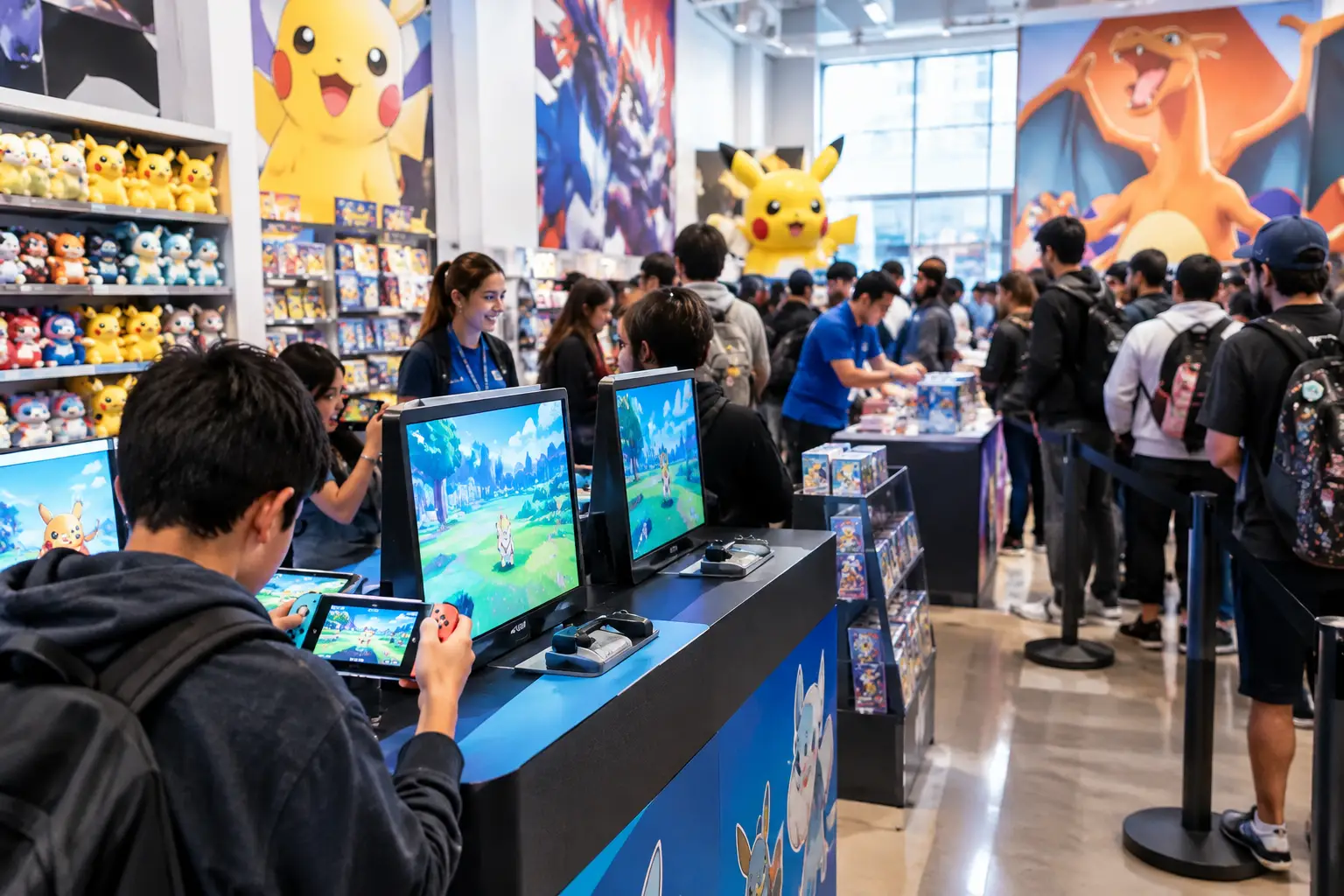
A new set can turn an ordinary Friday into a full hobby event. Pokémon releases bring fresh artwork, new Pokémon ex and Trainer cards, playable mechanics, and the chance to pull the card everyone is talking about. They also bring one big question for collectors and players: what should you actually buy?
The best answer depends on what you want from the set. A parent picking up a birthday gift, a player updating a deck, and a collector chasing a favorite Pokémon may all choose different products - and all make smart choices. Going into release day with a plan keeps the excitement high without turning every new set into a guessing game.
Why Pokémon Releases Feel Different
Each Pokémon TCG expansion has its own identity. One set may spotlight a fan-favorite Pokémon, while another adds cards that change competitive deck building or introduces a new art style collectors want in their binders. Set lists also include cards at different rarities, from regular playable cards to full-art supporters, illustration rares, special illustration rares, and gold cards.
That mix is why a release can appeal to so many kinds of collectors at once. Someone may want a booster box for opening sessions with friends. Another collector may only care about one illustration rare. A player might be looking for multiple copies of a Trainer card that makes a new deck work.
The chase is part of the fun, but it is worth remembering that sealed packs contain random cards. A great pull is never guaranteed. If one specific card is the goal, buying or trading for the single can be more predictable than opening product until it appears.
Pokémon Releases: Know the Product Types
A new set rarely arrives in only one form. Understanding the common product types makes it easier to match your budget and goals to the right purchase.
Booster packs and booster boxes
Booster packs are the classic way to experience a new release. They work well for a quick opening, a gift, or someone who simply enjoys the surprise of each pack. A booster box contains multiple booster packs and is often a better fit for collectors planning a larger opening or groups splitting packs.
More packs mean more cards for a binder and more chances at hits, but they do not guarantee a particular chase card. Treat a booster box as an opening experience and a way to build a broad base of a set, not as a promise of a return.
Elite Trainer Boxes
Elite Trainer Boxes, often called ETBs, are popular with both new and longtime fans because they combine packs with useful extras. Depending on the release, they can include card sleeves, dice, status markers, a storage box, and a player guide. They make a strong choice for someone starting to organize a collection or building a Pokémon TCG deck.
ETBs can also feature a promo card or special packaging that appeals to sealed collectors. Check the product details before buying, since contents can vary between standard ETBs, Pokémon Center versions, and special set products.
Collection boxes, tins, and premium products
Collection boxes and tins are built around presentation. They may include a featured promo, oversized card, packs from one or several expansions, and accessories. These are especially good gifts because the recipient sees a favorite Pokémon right on the box instead of needing to know every set name.
Premium collections can cost more because of their exclusive promos, larger pack counts, or display-focused contents. They can be fun pieces for a sealed collection, but their value comes down to the specific promos, packs, condition, and collector demand. Buy the Pokémon you like rather than assuming every premium box will become scarce.
Choose a Goal Before You Open
There is no wrong way to enjoy Pokémon cards, but a clear goal helps every dollar go further. If you love the artwork, consider collecting a specific Pokémon, artist, rarity, or page theme. If you play, make a list of the cards your deck needs and prioritize those first. If you enjoy opening packs, set a number you are comfortable opening and let the rest of the set come through singles and trades.
For children and families, a smaller opening plan can be more fun than one huge purchase. A few packs, a binder, and time to sort the cards create an experience that lasts longer than tearing through everything at once. Teaching younger collectors to sleeve shiny cards, keep them away from drinks, and store them in a binder builds good hobby habits early.
Collectors working toward a master set have a different challenge. Completing every numbered card, reverse holo, promo, and rare variant can take patience. Start by deciding what “complete” means for your binder. A clean numbered set may be the goal, or you may want every illustration rare without worrying about each reverse holo. Your rules should fit your budget and the part of collecting you enjoy.
Release Day Is About More Than the First Pack
New-set excitement moves fast. Pre-release conversation often centers on rumored chase cards, early pull posts, and sold-out product, but the hobby settles after the first rush. Prices can change as more product is opened, players test new cards, and collectors decide what they truly want.
That is why patience can be useful. If you are chasing a single, give the market time to establish itself. If you are buying sealed product to open, focus on the experience and choose a quantity that feels right. If you are buying a gift, the best choice may simply be the product featuring the recipient’s favorite Pokémon.
Release events can add another layer of fun. Prerelease tournaments let players build decks from a limited pool of cards and try the new mechanics before the official street date. They are welcoming places to learn, trade, and meet other local players, even if competitive play is not your main focus.
Protect What You Pull
Condition matters from the moment a card leaves the pack. Put valuable or favorite cards into a penny sleeve, then use a rigid top loader or semi-rigid holder if you need extra protection. For binder collections, use quality side-loading pages and avoid overfilling pockets.
Keep cards in a cool, dry space away from direct sunlight. Rubber bands, loose storage, and backpacks without protection can damage corners and surfaces quickly. For cards you may grade or trade later, careful handling is especially worthwhile. A card’s market value can vary, but clean condition is always easier to preserve than repair.
It also helps to look closely at a card before trading or selling it. Centering, corner wear, print lines, surface scratches, and edge whitening can affect collector interest. Being upfront about condition is part of making good trades and maintaining trust in the community.
Build Your Release Routine
The easiest way to enjoy new Pokémon releases is to create a routine that works for you. Follow upcoming set announcements, decide whether you want sealed product, singles, or both, and give yourself a realistic spending limit. Keep a want list on your phone or in a notebook so you do not lose track of the cards you actually care about once the release-day buzz starts.
A local hobby shop can make that routine more personal. At Waterfront Card Shop, collectors can browse with their goals in mind, talk through product options, and stay connected to the players and collectors opening the same set. That advice matters when you are deciding between a first ETB, a box for a weekend opening, or a single for the binder.
The best release is not necessarily the one with the biggest chase card. It is the set that gives you a card you want to keep, a deck you are excited to play, or a reason to sit down and share the hobby with someone else.